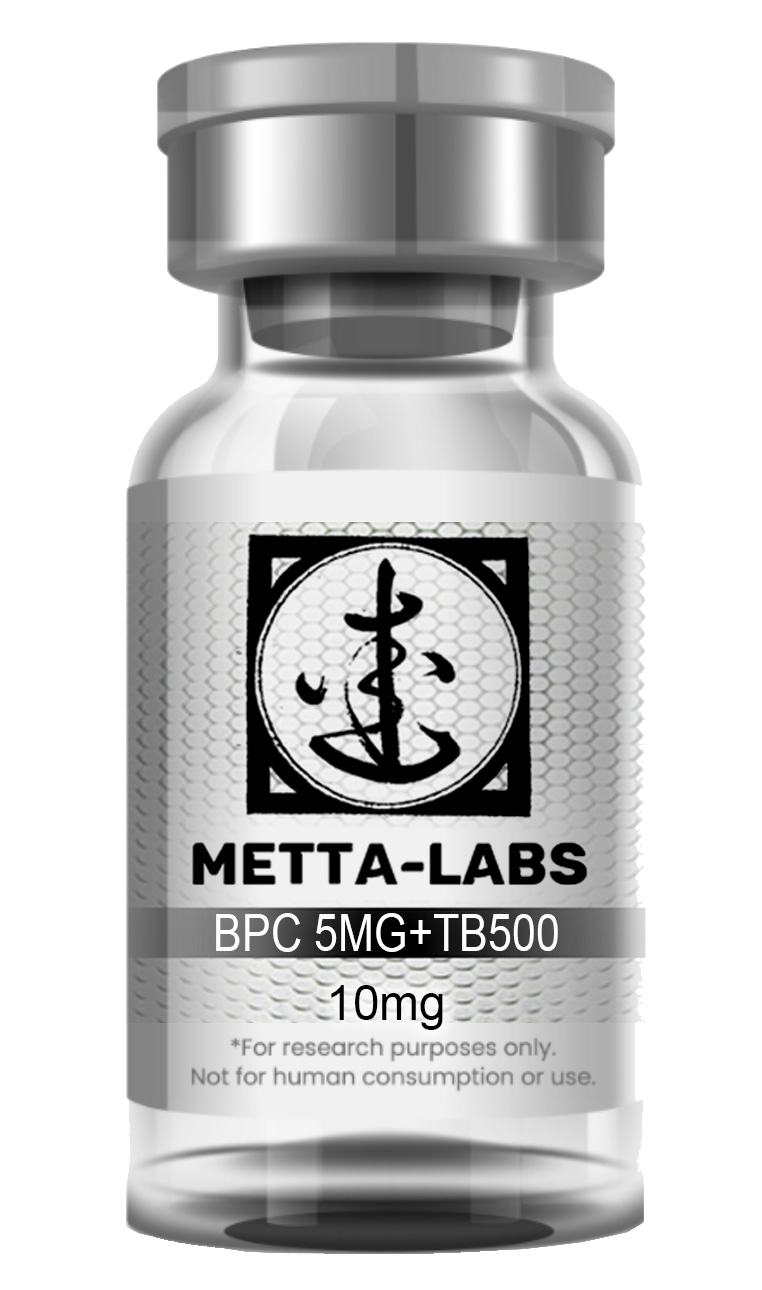
BPC-157 / TB-500 (Thymosin β4–derived) — preclinical/mechanistic perspective:
In animal and cell models, BPC-157 is a gastric pentadecapeptide reported to promote tissue repair via pro-angiogenic signaling, modulation of the nitric-oxide (NO) system, cytoprotection, and anti-inflammatory effects; studies in rodents and tendon cell assays describe improved healing kinetics, tendon fibroblast outgrowth, and recovery of severed myotendinous junctions alongside broad pleiotropic actions on neural and vascular pathways. Thymosin β4 (basis for TB-500 research use) is an endogenous actin-sequestering peptide whose preclinical literature shows accelerated re-epithelialization, enhanced angiogenesis, and reduced scarring across dermal, corneal, and ischemia models; mechanistically it regulates cell migration via G-actin buffering and has been explored as a developmental/repair cue in regenerative contexts. Considered together in a research setting, the two peptides are often discussed as complementary: BPC-157’s NO/angiogenesis-linked cytoprotection and tendon remodeling signals may theoretically pair with Thymosin β4’s cytoskeletal/migratory program and wound-matrix effects—an additive framework that remains preclinical and model-dependent.
Peptides are available for research purposes only.
Please review and adhere to our Terms and Conditions before ordering.